Top 10 Outlet Socket Types You Should Know About?

Time:2026-05-09 Author:Sienna
0%

When it comes to electrical installations, understanding various outlet socket types is vital. Outlet sockets are essential for powering our devices. Knowing the differences can help you choose the right one for your needs.

Different countries have unique standards for outlet sockets. Some are designed for high voltage, while others accommodate specific plugs. This diversity can be confusing for many. Choosing the wrong socket may lead to safety issues or device damage.

Awareness of the top outlet socket types empowers users. It enhances safety and efficiency in our everyday lives. Consider your devices and their requirements. Selecting compatible outlet sockets can prevent frustration and hazards. So, let's explore the top ten types of outlet sockets that everyone should know. These should become part of your essential knowledge.
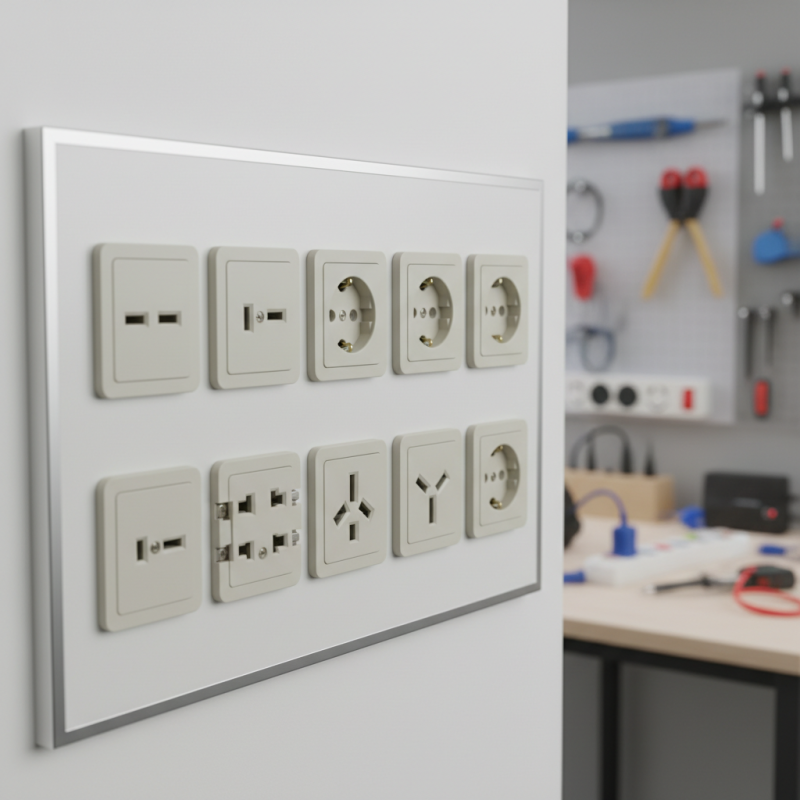
Top 10 Outlet Socket Types You Should Know About?

Understanding the Importance of Choosing the Right Outlet Socket

Choosing the right outlet socket is crucial for safety and efficiency. Many homes still rely on outdated socket types, which can increase energy consumption and risk electrical fires. According to the National Fire Protection Association (NFPA), electrical malfunctions were a leading cause of home fires, emphasizing the need for proper socket selection.

Modern sockets come in various types, from standard outlets to GFCI and USB-integrated designs. Each has specific applications and benefits. For instance, GFCI outlets greatly reduce the risk of shock, especially in wet areas. Research shows that homes equipped with GFCI sockets cut down shock incidents by up to 45%.

Tip: Always consider your usage needs. If you often charge devices, select a socket with built-in USB ports. This enhances convenience and keeps counters tidy. Looks do matter! Stylish outlet designs can blend seamlessly with home decor while providing optimal functionality.

Think about the future too. As technology advances, smart sockets will become more prevalent. They offer energy monitoring and remote access features, allowing you to control your devices from anywhere. Data indicates that smart home technologies can save homeowners an average of 10-30% on energy costs. Ensuring you select the right sockets now can set you up for greater efficiency and safety tomorrow.

Top 10 Outlet Socket Types You Should Know About

Outlet Type Description Voltage Rating Common Uses
Type A Two flat parallel pins 125V Used primarily in North America for small appliances
Type B Two flat parallel pins with a grounding pin 125V Used for larger appliances, computers, and electronics
Type C Two round pins 220V Common in Europe for various devices
Type D Three large round pins in a triangular configuration 220V Used in India and some other countries
Type E Two round pins with a hole for grounding 230V Found in France, Belgium, Poland, and Slovakia
Type F Two round pins with grounding clips 230V Used in Germany, Austria, Netherlands, and Spain
Type G Three rectangular prongs 230V Common in the UK and several former colonies
Type H Three round pins in a Y-shape 230V Primarily used in Israel
Type I Two flat pins with a grounding pin 230V Used in Australia, New Zealand, and China
Type J Two round pins with a grounding pin 230V Used in Switzerland and Liechtenstein

Types of Outlet Sockets: A Comprehensive Overview

When considering outlet sockets, understanding their types is crucial for safety and functionality. Various socket types serve different purposes. Commonly, there are two-prong sockets for basic appliances and three-prong sockets for grounding and safety. For example, the National Electric Code (NEC) indicates that three-prong outlets reduce electrical hazards by providing a path for fault currents.

Specialty outlets are equally important. GFCI (Ground Fault Circuit Interrupter) sockets are essential in wet areas like kitchens and bathrooms. According to the U.S. Consumer Product Safety Commission, these outlets prevent around 200 deaths annually from electrocution. Similarly, AFCI (Arc Fault Circuit Interrupter) outlets protect against electrical fires caused by arcing faults. Studies show that homes equipped with AFCI outlets can reduce fire risks significantly.

The evolution of smart sockets is also noteworthy. These devices allow remote control and energy monitoring. They enhance energy efficiency in homes. However, security concerns arise, as vulnerabilities in smart technology can be exploited. Evaluating these aspects of outlet sockets can lead to better residential safety and efficiency.

Top 10 Outlet Socket Types You Should Know About

This chart illustrates the popularity index of various outlet socket types, showcasing their relevance in different regions and applications. From Type A to Type J, each type serves unique needs and standards across the globe.

Key Features to Consider When Selecting Outlet Sockets

Choosing the right outlet socket is crucial for safety and functionality. When selecting outlet sockets, start with amperage ratings. Different devices require varying currents. Ensure the socket can handle the device's power without risk of overheating.

Consider the type of installation. Wall-mounted sockets provide a cleaner look, while surface-mounted options can be easier to access. Remember, weatherproof sockets are essential for outdoor use. They guard against moisture. However, they might be bulkier, impacting aesthetics.

Don't overlook ease of access. Sockets positioned in inconvenient locations can be frustrating. Check the spacing between outlets too. Crowded areas can lead to plugging issues. Lastly, think about the materials used. Cheap plastic sockets may wear out quickly. Investing in durable options can save money in the long run.

Safety Standards for Different Outlet Socket Types

When it comes to outlet socket types, understanding safety standards is crucial. Different socket types meet varying safety codes depending on the region. For instance, some outlets include features like ground fault circuit interrupters (GFCIs) that prevent electrical shocks. Ensuring the right socket is used can significantly enhance safety at home and in commercial spaces.

It’s vital to choose sockets that comply with local safety regulations. This ensures protection against electrical faults. Outdated or non-compliant sockets can lead to dangerous situations. Regularly inspect your outlets for any signs of wear or damage. Investing in newer, safer options can mitigate risks.

Tip: Always opt for sockets with built-in safety features, especially in bathrooms and kitchens. These spaces are prone to moisture, increasing the risk of electrical hazards.

Keep in mind that not all outlets are created equal. Some may not provide adequate protection against surges or short circuits. It’s essential to familiarize yourself with the specific needs of your devices and home layout. This proactive approach can prevent future electrical issues.

Tip: Consult a licensed electrician if you're unsure about your current outlet types. They can provide expert advice on what works best for your setup.

Common Applications and Usage of Various Outlet Socket Types

When it comes to outlet sockets, understanding their types and applications is crucial. Various socket types serve distinct purposes in our daily lives. For example, standard wall outlets are widely used in homes for powering appliances. In commercial settings, specialized outlets might be required for heavy machinery.

Safety should always be a priority. Ground fault circuit interrupter (GFCI) outlets, often found in kitchens and bathrooms, help prevent electrical shock. They automatically cut off power when an imbalance occurs. However, many people overlook their importance, leading to potentially hazardous situations. Maintenance and regular testing of these outlets can ensure they function properly.

Another common type is the USB outlet. This modern solution allows for direct charging of devices without an adapter. It's convenient, but it can lead to users neglecting traditional outlets. Users may not realize that over-relying on USB ports can wear them out quickly. Each type of outlet has its place, but awareness of their proper use is key to safe and efficient electrical practices.

FAQS

: Why is choosing the right outlet socket important?

: The right socket enhances safety and efficiency, reducing energy waste and fire risks.

What types of sockets should I consider for wet areas?

GFCI sockets are best for wet areas, as they minimize the risk of electric shock significantly.

How do smart sockets contribute to energy savings?

Smart sockets allow remote control and energy monitoring, potentially saving 10-30% on energy costs.

What is a major risk of outdated socket types?

Old sockets can increase the chances of electrical fires and inefficient energy use.

Are all outlets compliant with safety standards?

No, some sockets may not meet local safety standards, increasing risks at home.

Why are AFCI outlets important?

These outlets help prevent electrical fires by protecting against arcing faults.

How often should I inspect my outlet sockets?

Regular checks for wear and damage are vital to maintaining safety at home.

Should I consider aesthetics when choosing outlet sockets?

Yes, stylish designs can enhance decor while providing safe functionality.

What should I do if I'm unsure about my outlet types?

Consult a licensed electrician for guidance on the best socket options.

Can I use regular sockets for modern devices?

It’s best to use sockets with built-in USB ports or smart features for convenience.

Conclusion

Understanding the importance of selecting the right outlet socket is crucial for ensuring safety and functionality in electrical installations. Different types of outlet sockets serve various purposes, and knowing their specifications can greatly impact both residential and commercial settings. A comprehensive overview of these outlet sockets reveals key features to consider, such as voltage ratings, durability, and design to accommodate specific appliances and electronics.

Safety standards for outlet socket types are essential in preventing electrical hazards and ensuring compliance with local regulations. From standard wall outlets to specialized sockets for high-power appliances, common applications and usage vary widely, necessitating informed choices for effective installation. By carefully assessing the types of outlet sockets available, users can enhance their spaces' efficiency while prioritizing safety.


Sienna

Sienna

Sienna is a skilled marketing professional with a deep expertise in our company’s core products and services. With a passion for innovation and detail, she plays a pivotal role in crafting insightful blog posts that not only highlight the unique features of our offerings but also provide valuable......