How to Choose the Best Electrical Wall Outlet for Your Needs?

Time:2026-04-29 Author:Sienna
0%

When selecting the best Electrical Wall Outlet, one must consider various factors. A reliable outlet enhances safety and efficiency. According to the National Electrical Manufacturers Association (NEMA), approximately 90% of electrical fires can be traced back to faulty outlets. This underlines the importance of making an informed choice.

Expert David Smith, a renowned electrical engineer, states, “Choosing the right Electrical Wall Outlet can significantly impact safety and energy efficiency.” His insight emphasizes the necessity of selecting quality outlets. Users often overlook features such as surge protection and compatibility with smart home systems.

Investing in quality outlets may seem costly. However, the long-term benefits far outweigh the initial expenses. Faulty outlets can lead to costly repairs or severe safety hazards. Bottom line, a thoughtful selection of Electrical Wall Outlets not only enhances functionality but also provides peace of mind.
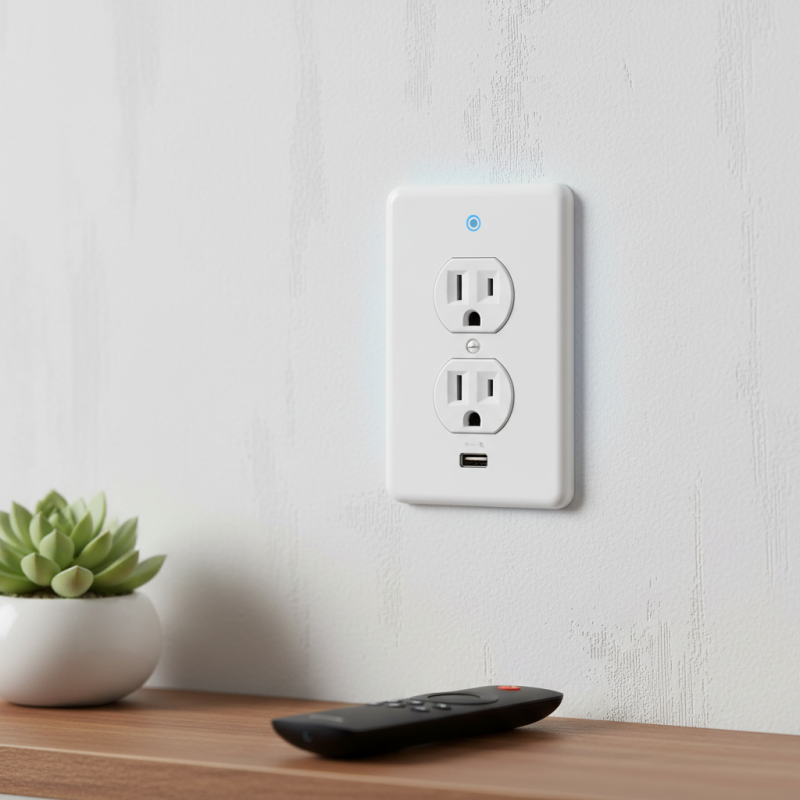
How to Choose the Best Electrical Wall Outlet for Your Needs?

Types of Electrical Wall Outlets: A Comprehensive Overview

When selecting an electrical wall outlet, understanding the various types available is crucial. Standard outlets are common in most homes. They typically accommodate two or three-pronged plugs. However, these may not suffice for all devices. For high-powered appliances, consider a 20-amp outlet. This type can handle heavier loads. Installation is specific, requiring careful assessment of your wiring.

GFCI outlets are essential in areas like kitchens and bathrooms. They protect against electrocution by shutting off when moisture is detected. If your outlet is near water, prioritize GFCI options. Another option is the AFCI outlet. This outlet protects against electrical fires caused by arc faults. It’s vital in bedrooms and living areas where safety is paramount.

Be mindful of pairing your outlet type with your device needs. Sometimes, a multi-outlet adapter may seem like a solution, but they can cause overloads. Consider your daily usage patterns. Are you consistently running multiple devices? Examine your habits before making a choice. Reflecting on these factors will help you choose wisely. It's not just about installation; it’s about lasting safety and functionality.

How to Choose the Best Electrical Wall Outlet for Your Needs? - Types of Electrical Wall Outlets: A Comprehensive Overview

Type of Outlet Voltage Rating Common Applications Special Features
Standard Outlet 120V Home appliances, electronics None
GFCI Outlet 120V Bathrooms, kitchens, outdoor areas Ground Fault Protection
AFCI Outlet 120V Bedrooms, living areas Arc Fault Protection
USB Outlet 120V Charging devices Built-in USB ports
Smart Outlet 120V Smart homes, energy management App control, scheduling
240V Outlet 240V Heavy appliances, tools Higher power capacity

Understanding Voltage Ratings and Their Importance for Outlet Selection

When selecting an electrical wall outlet, understanding voltage ratings is crucial. Voltage ratings indicate the maximum electrical potential an outlet can handle. Common voltage levels in residential outlets are typically 120V and 240V. Choosing an outlet that matches your device’s voltage requirements ensures safety and efficiency.

The National Electrical Manufacturers Association (NEMA) reports that improper voltage can lead to appliance damage or electrical hazards. This is why it’s essential to honor the specific voltage rating for your devices. A mismatch might result in inefficient operation or an increased risk of electrical fires. Always check the rating before installation.

**Tips:**
- If unsure about voltage ratings, consult with a licensed electrician.
- Always double-check the manufacturer’s specifications for any appliance you plan to connect.
- Consider the environment; wet or damp areas may require weather-rated outlets.

Being aware of voltage ratings enhances safety and performance in your home. Yet, many overlook this detail and face problems later. Ensure you take the time to understand the needs of your electrical devices before making a choice.

Key Features to Consider When Choosing an Electrical Wall Outlet

When choosing an electrical wall outlet, several key features deserve attention. Start with the outlet type. Standard outlets are common, but you might need a GFCI outlet for wet areas, like kitchens or bathrooms. These outlets help prevent electrical shock. USB outlets are popular too. They allow direct charging of devices without bulky adapters. Consider your daily needs and lifestyle before deciding.

Next, think about voltage and amperage. Most homes operate on 120V, but higher voltage options exist for special appliances. Evaluate your device's requirements. Look for outlets with multiple sockets if you have several devices. Safety features are crucial. Built-in surge protectors can guard against sudden spikes in electricity, which can damage equipment.

Lastly, installation matters. Some outlets are easy to install for DIY enthusiasts, while others may require professional help. Reflect on your skill level. Choose an outlet that fits your needs and comfort zone. Mistakes in outlet selection can lead to frustration. Take time to research.

Common Installation Types and Their Suitability for Different Settings

When selecting the right electrical wall outlet, understanding installation types is crucial. Different outlets cater to varied settings. Standard outlets work for most home environments. They are suitable for general use, like lamps and chargers. In wet areas, such as bathrooms or kitchens, GFCI outlets are essential. They cut off power when moisture is detected, enhancing safety.

For commercial settings, consider installation types such as recessed outlets. These save space and are less likely to be damaged. USB outlets are also popular for easy device charging. Make sure to assess the load requirements in busy areas. It's essential to avoid overloading any outlet.

Some installations may require a professional touch. DIY enthusiasts should proceed cautiously. Always check local codes to ensure compliance. Reflecting on your electrical needs will lead to better choices. Take time to explore various options for optimal performance.

Safety Standards and Compliance: Ensuring Reliable Electrical Outlets

When selecting an electrical wall outlet, safety should be your primary concern. Adhering to safety standards is crucial in avoiding hazards. Outlets should meet the National Electrical Code (NEC) guidelines. This ensures that they are reliable for everyday use. Always check for compliance with these standards before making a purchase.

Consider the type of outlet that suits your needs. Ground Fault Circuit Interrupters (GFCI) and Arc Fault Circuit Interrupters (AFCI) are excellent for safety. They detect faults and can prevent electrical shocks. These features are vital in areas like kitchens and bathrooms. It’s essential to understand which outlet is suitable for specific environments.

Quality materials and proper installation play significant roles in outlet safety. Flimsy products may fail under high usage. A licensed electrician should handle the installation. Even well-made outlets can malfunction if not installed correctly. Regular checks are important to ensure they remain safe over time. Reflecting on these factors can help in making a more informed decision.

FAQS

: What type of electrical outlet should I choose for wet areas?

: GFCI outlets are recommended for wet areas, like kitchens and bathrooms. They help prevent electrical shocks.

How do I know the voltage needs for my devices?

Most homes use 120V outlets. Check your devices for specific voltage requirements before purchasing.

Are there outlets with charging capabilities?

Yes, USB outlets are available. They let you charge devices without bulky adapters.

What safety features should I look for in an outlet?

Look for built-in surge protectors. They guard against sudden electricity spikes that can damage equipment.

Can I install outlets myself?

Some outlets are easy to install for DIY projects. Others may require a licensed electrician for safety.

How important is compliance with safety standards?

It’s crucial to ensure outlets meet National Electrical Code (NEC) guidelines. This helps avoid hazards during use.

What is the role of materials in outlet safety?

Quality materials are essential. Flimsy products may fail under high usage, leading to safety concerns.

How often should I check my outlets for safety?

Regular checks are important. They ensure outlets remain safe and function correctly over time.

What happens if I choose the wrong outlet type?

Mistakes in selecting the outlet can lead to frustration. Take time to research your options carefully.

What are GFCI and AFCI outlets?

GFCI outlets prevent electrical shocks. AFCI outlets detect faults, protecting against electrical fires.

Conclusion

When selecting an Electrical Wall Outlet, it's crucial to understand the various types available and their specific applications. This comprehensive overview highlights the importance of voltage ratings, which play a significant role in ensuring compatibility with the devices you intend to power. Additionally, key features such as durability, ease of installation, and design should be considered to meet individual needs.

Installation types can vary significantly, and recognizing which is suitable for different settings—be it residential, commercial, or industrial—is essential for optimal performance. Furthermore, adhering to safety standards and compliance ensures that the chosen Electrical Wall Outlet not only functions effectively but also provides reliable protection against electrical hazards. By taking these factors into account, you can make a well-informed decision that aligns with your electrical needs.


Sienna

Sienna

Sienna is a skilled marketing professional with a deep expertise in our company’s core products and services. With a passion for innovation and detail, she plays a pivotal role in crafting insightful blog posts that not only highlight the unique features of our offerings but also provide valuable......