How to Choose the Right Wall Plate Cover for Your Needs?

Time:2026-05-28 Author:Liam
0%

Choosing the right wall plate cover is an important decision for any renovation or build project. According to industry reports, nearly 60% of homeowners underestimate the significance of selecting appropriate wall plate covers. A wall plate cover impacts both aesthetics and functionality. It can enhance the overall look of a room while providing essential protection for electrical outlets and connections.

Different styles and materials are available, leaving many confused. Research indicates that 45% of consumers opt for standard plastic covers, often overlooking other options. Metal or designer covers can add a unique touch. However, not all materials are suitable for every environment. For example, metal covers may not be ideal in humid areas. Consumers must be mindful of these factors.

Another point of reflection is the size and fit of wall plate covers. Many individuals mistakenly buy covers that do not align with their fittings, leading to gaps and a less polished appearance. Professional guidance can help navigate these choices effectively. Ultimately, understanding the nuances of wall plate covers can lead to better design outcomes and increased safety in the home.
How to Choose the Right Wall Plate Cover for Your Needs?

Understanding Different Types of Wall Plate Covers and Their Uses

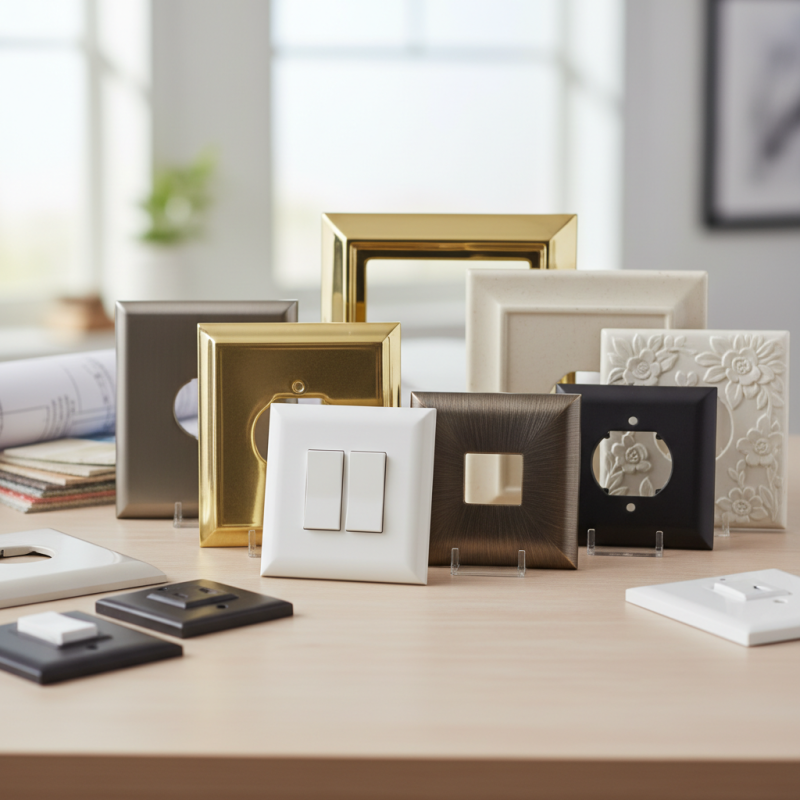
Choosing the right wall plate cover involves understanding various types available. Wall plate covers serve to protect electrical outlets, light switches, and more. They come in different materials and designs. Plastic covers are lightweight and cost-effective. Metal covers offer durability and a modern look.

Some wall plate covers are specifically designed for particular functions. For instance, there are those meant for data ports or HDMI connections. Specialty covers can prevent dust from entering unused outlets. On the other hand, basic designs suit most general applications.

It's essential to consider the size and shape of your outlet. Mismatched sizes can lead to problems. Even the simplest installation can sometimes be tricky. Ensure that the screws are tight and the cover is flush against the wall. Small mistakes can lead to larger issues later. A well-chosen wall plate cover can enhance both function and aesthetics in your space.

How to Choose the Right Wall Plate Cover for Your Needs?

Type of Wall Plate Cover Material Common Uses Style & Design
Standard Wall Plate Plastic General electrical outlets Basic design
Decora Wall Plate Metal Single and double switches Sleek, modern look
GFCI Wall Plate Plastic Moisture-prone areas, kitchens Standard GFCI design
Multi-Gang Wall Plate Vinyl Several switches/outlets in one Functional, efficient
Custom Decorative Wall Plate Ceramic Personalized aesthetics Unique art designs

Factors to Consider When Selecting Wall Plate Covers for Your Space

When selecting wall plate covers, several crucial factors come into play. The material is a vital consideration. Plastic, metal, and wood each carry distinct features. Plastic offers affordability and versatility, while metal brings durability and an upscale look. Wood can add warmth and character to your space. Assessing your environment will guide you towards the right choice.

Another critical factor is design. Wall plate covers come in various styles, from simple to ornate. Choose a design that complements your decor. Additionally, consider the size and shape of your plates. Mismatched sizes can create visual imbalance. Ensure that your covers fit seamlessly within your space.

Functionality cannot be overlooked. Some covers come with special features, such as tamper resistance or weatherproofing. These attributes enhance safety and longevity. However, they may also add complexity. It’s important to reflect on how these features align with your needs. Aim for a balance between aesthetics and practicality.

Exploring Material Choices: Plastic vs. Metal Wall Plate Covers

When considering wall plate covers, the choice between plastic and metal materials plays a crucial role. Plastic wall plates are lightweight, affordable, and easy to install. They resist corrosion and are available in various colors and designs. According to industry reports, plastic options account for about 70% of the market due to their versatility and lower cost. However, they may not be as durable as metal options. Over time, plastic can become discolored and brittle, especially in high-traffic areas.

On the other hand, metal wall plates offer durability and a sleek appearance. They are less prone to damage and suitable for environments with extreme temperatures. A recent survey revealed that 30% of homeowners prefer metal wall plates for their longevity and aesthetic appeal. Yet, metal can be more expensive and may require a precise installation process. This can be challenging for DIY enthusiasts.

Both material choices have their pros and cons. Assessing your requirements is essential before making a decision. Consider factors like environment, desired aesthetics, and budget. A thoughtful choice will lead to a more satisfying and lasting result. Balancing these aspects can enhance the functionality and appearance of your space.

Importance of Size and Fit: How to Measure Your Electrical Outlets

When choosing a wall plate cover, proper measurement of electrical outlets is crucial. The right size ensures a secure fit. Begin by using a tape measure to gauge the outlet's dimensions. Width and height matter, but also consider the depth. Covers that are too small look awkward and may not fit securely. Too large a plate can leave unsightly gaps.

Accuracy in measurement can be tricky. You might think a plate is standard-sized, but variations exist. Double-check your outlets. Observe the position of screws and the placement of wiring. Some outlets may be deeper or positioned differently, which affects wall plate choice. It's worth measuring again if you have any doubts.

Remember that an ill-fitting wall plate affects safety. Loose plates may expose wiring. This can lead to hazards. Check your work before making a purchase. An informed choice based on accurate measurements ensures a reliable installation and enhances your home's aesthetic appeal. Taking a little extra time to measure correctly pays off in the end.

Design Aesthetics: Matching Wall Plate Covers to Your Interior Decor Theme

When choosing wall plate covers, design aesthetics play a significant role. A well-chosen cover can enhance your space. It can complement your color scheme and decor style. Consider the overall theme of your room. Is it modern, vintage, or eclectic? The right wall plate cover should reflect that style.

For a modern interior, sleek and minimalistic designs work best. Smooth finishes in neutral tones can seamlessly blend in. Vintage themes may benefit from ornate designs with intricate details. Antique finishes can add character and charm. Remember to pay attention to texture. A textured wall plate can create visual interest and depth in a flat space.

Finding the perfect balance is challenging. It’s easy to overcomplicate your choices. Too many patterns or colors can clash. Instead, aim for harmony between fixtures and decor. Sometimes, simpler options can make a bold statement. Don't be afraid to experiment with different styles, even if they seem mismatched. Reflect on what resonates with you. Your intuition can guide you toward the right selection.

FAQS

: What are wall plate covers used for?

: Wall plate covers protect electrical outlets, light switches, and other fixtures from damage and dust.

What materials are commonly used for wall plate covers?

Common materials include plastic and metal. Each has unique benefits related to cost and durability.

What are the advantages of plastic wall plates?

Plastic wall plates are lightweight, affordable, and easy to install. They come in various colors and designs.

Why might someone choose metal wall plates?

Metal wall plates offer durability and a modern look. They withstand extreme temperatures but are often more expensive.

How do I measure my electrical outlets for wall plates?

Use a tape measure to check the outlet's width, height, and depth. Accurate measurements ensure a proper fit.

What happens if I choose the wrong size wall plate cover?

An ill-fitting wall plate can expose wiring, leading to potential hazards. Proper size is crucial for safety.

Are there specialty wall plates available?

Yes, some covers are designed for specific functions like data ports and HDMI connections to enhance compatibility.

Can installation of wall plate covers be challenging?

Yes, especially for metal options. Ensuring screws are tight and the plate is flush can be tricky but important.

How can I avoid mistakes when installing wall plates?

Double-check measurements and ensure the correct style before installation. Small oversights can lead to larger issues later.

Why is it important to consider aesthetics when choosing a wall plate?

A well-chosen wall plate can improve the overall look of your space while serving its functional purposes effectively.

Conclusion

Choosing the right Wall Plate Cover is essential for both functionality and aesthetics in your living space. Understanding the different types of wall plate covers, such as those designed for electrical outlets, switches, or data ports, helps in determining their specific uses. When selecting a wall plate cover, several factors come into play, including material choices—plastic versus metal—and the importance of size and fit, which requires accurate measurement of your electrical outlets.

Additionally, the design aesthetics are crucial in ensuring the wall plate covers complement your interior decor theme. By considering these factors, you can find the perfect wall plate cover that not only meets your practical needs but also enhances the overall look of your home.


Liam

Liam

Liam is a dedicated marketing professional with a profound expertise in the industry, where he excels at highlighting the unique advantages of our core products. With a keen understanding of market trends and consumer needs, Liam frequently updates our company’s professional blog, providing......