Choosing the right USB outlet can be tricky. The market is flooded with various options, which can leave you confused. Understanding your needs is crucial in this process. A USB outlet provides convenience and efficiency, but not all are created equal.
When selecting a USB outlet, consider factors like power output, design, and the number of ports. Some outlets prioritize speed, while others focus on aesthetics. It's important to find a balance between these aspects. You may realize that the cheapest option isn't always the best choice. You need an outlet that can handle your devices reliably.
Investing in a high-quality USB outlet can enhance your daily life. Trustworthy brands often offer more durability and safety features. Reflect on your charging habits as you browse options. It's easy to overlook critical details, so take your time. The right USB outlet can significantly improve your tech experience.
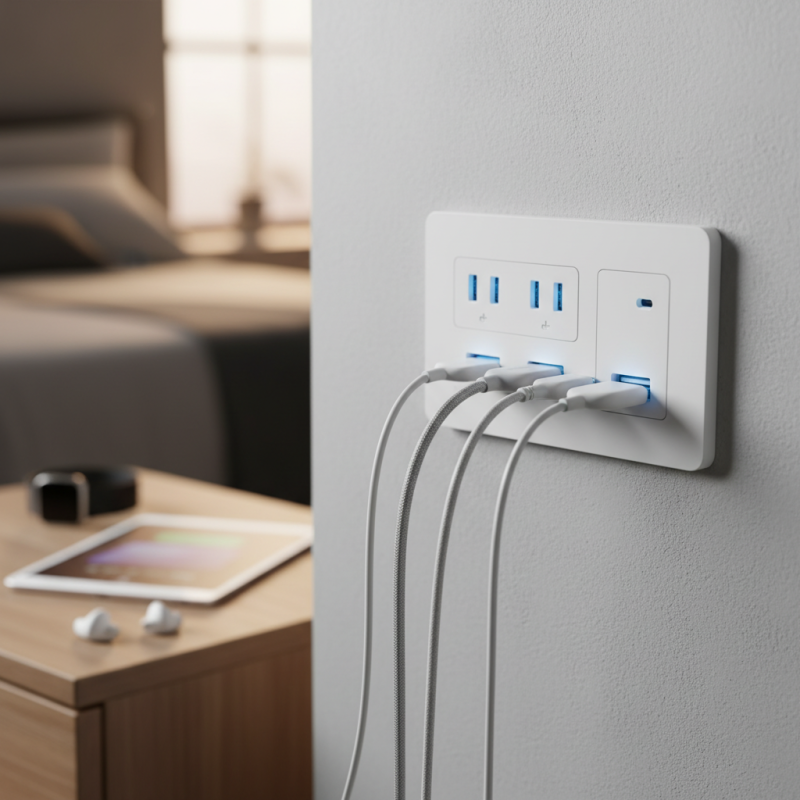
When selecting a USB outlet, understanding the available types is essential. The two main types include USB-A and USB-C outlets. USB-A has been a standard for years, often found on older devices and chargers. Conversely, USB-C is gaining ground due to its versatility and faster charging capabilities. According to a report from the International Data Corporation (IDC), nearly 90% of new smartphone models released in 2023 use USB-C. This shift highlights the importance of choosing a USB outlet that supports modern charging standards.
Differentiation in charging speed is crucial. Many USB outlets provide standard charging at 5V, around 2.1A. However, faster options like Power Delivery (PD) can reach 20V and 5A. These higher rates allow for rapid charging of devices like tablets and laptops. Data from the Consumer Technology Association indicates that consumers increasingly seek outlets that offer fast charging options. Yet, not all homes and offices have updated their infrastructure to accommodate this technology. It's vital to weigh the benefits against your current needs and equipment compatibility.
Be mindful of how many devices you'll charge simultaneously. Overloading an outlet can lead to reduced performance and safety risks. A report from the National Fire Protection Association highlights the dangers of overloading electrical outlets. Opting for outlets with multiple ports can seem convenient, but always prioritize safety and reliability in your selection. Choosing the right USB outlet can enhance your charging experience while addressing specific concerns about speed and compatibility.
When choosing a USB outlet, understanding your power needs is essential.
Amperage and voltage are the primary considerations.
Many devices require specific amperages to charge efficiently. For instance, smartphones typically need around 2.0 amps.
However, tablets might require more. It’s critical to match the outlet's capacity with your devices.
Voltage is equally important. Most USB outlets provide a standard 5 volts. Higher voltage might be necessary for
fast charging technology. Knowing the requirements of your devices can prevent
underperformance and inefficiencies. If the outlet doesn’t meet these needs, devices may charge slowly or not at all.
It’s common for users to overlook these details when selecting outlets. This oversight can lead to
frustration when devices fail to charge effectively. Assessing your power needs can ensure you choose an outlet that performs reliably.
Be mindful of the specifications of your devices. Finding the right balance of amperage and voltage can enhance your charging experience significantly.
When choosing a USB outlet, fast charging capabilities should be a primary consideration. Fast charging technology can significantly reduce the time your devices need to reach full power. Many outlets now support protocols like Quick Charge or Power Delivery, allowing devices to charge much faster than conventional outlets. Look for specifications that mention these features. Check if the outlet provides enough wattage to support your devices optimally.
Smart technology is another crucial feature to evaluate. Some USB outlets come equipped with smart technology that can identify the connected devices. This ensures that each device receives the right amount of current and voltage. Ultimately, this leads to efficient charging. Additionally, outlets with built-in safety mechanisms help prevent overheating and overcharging. However, not all smart outlets function as expected. Reviews can provide insights into their reliability.
Remember, not every outlet will meet your needs perfectly. It's common to find outlets that promise fast charging but fail to deliver in real-world scenarios. Read user reviews to gauge performance and reliability. Consider the placement of the outlet as well; some designs may not fit well in all settings. Take time to weigh your options carefully.
This chart compares various USB outlets based on their charging speeds and smart technology features. The data is represented in terms of the percentage of each outlet type supporting various features, emphasizing the importance of fast charging and smart technology in choosing the right USB outlet for your needs.
When selecting a USB outlet, placement is crucial for optimal accessibility. Studies show that 74% of users prefer locations near their workspaces. This includes desks, living rooms, and bedside tables. Accessibility directly influences customer satisfaction. A UBS outlet placed behind furniture, for example, often leads to frustration. Users struggle to reach devices when they are plugged in, leading to a perception of inconvenience.
Consider electrical codes and safety regulations when choosing a spot. A recent report indicates that 30% of electrical accidents occur due to improper installation. This stresses the need for proper placement. Those installing USB outlets should also think about the height. Ideally, outlets should be at a comfortable level to avoid awkward bending and stretching.
User habits matter too. Many people frequently charge devices. A survey indicated that 56% of users charge multiple devices simultaneously. Therefore, outlets must not only be accessible but also user-friendly. Avoid placing them in hard-to-reach spots or crowded spaces. Notice how your daily routines might inform the best locations. Balancing convenience with safety should guide your decisions.
| Feature | Description | Importance | Recommended Placement |
|---|---|---|---|
| Number of USB Ports | The total ports available for charging multiple devices. | High | Living Room, Office |
| Charging Speed (Amps) | The power output of the outlet, affecting how quickly devices charge. | High | Bedroom, Kitchen |
| Surge Protection | Protection against power surges that can damage devices. | Medium | Home Office, Entertainment Center |
| Output Ports Type | USB-A, USB-C, or a mix of both for compatibility. | High | Everywhere |
| Smart Features | Features like auto-detection to optimize charging. | Medium | Tech-savvy Users' Areas |
| Installation Ease | How easy it is to install, with options for DIY or professional help. | High | All Areas |
When selecting a USB outlet, safety standards and certifications play a crucial role. Devices like USB outlets should adhere to established safety protocols to ensure user protection. According to a 2021 report by the International Electrotechnical Commission (IEC), compliant devices significantly reduce the risk of electrical hazards. Over 45% of electrical fires are linked to non-certified products.
Certifications such as UL, ETL, and CE signify rigorous testing for safety and performance. For example, UL certification ensures that a product meets high safety standards, providing peace of mind. It indicates that a product has undergone extensive testing and evaluation. This is critical in preventing malfunctions or overheating. A study from the Electrical Safety Foundation International (ESFI) highlighted that certified products have a 50% lower failure rate compared to their unverified counterparts.
Considering the long-term implications of using uncertified products is important. Issues like device damage or even personal injury can arise. Always look for visible certification marks on the outlet, ensuring comprehensive safety measures. While convenience is a priority, prioritizing safety standards ultimately leads to a more reliable user experience.
: The two primary types are USB-A and USB-C. USB-A is older, while USB-C is becoming more common.
Charging speed varies. Standard charging is usually 5V and around 2.1A, but some outlets support faster charging.
Always match the outlet’s capacity with the specific needs of your devices to prevent slow charging.
Many users prefer outlets near workspaces. Hard-to-reach placements can lead to frustration when charging devices.
Incorrect installation can lead to accidents. It’s important to follow safety regulations during installation.
Consider how many devices you typically charge. Overloading outlets can reduce performance and create safety risks.
Voltage affects charging efficiency. Most outlets provide 5V, but higher voltage is needed for fast charging capabilities.
Many overlook device specifications, leading to frustration when devices fail to charge efficiently.
Understanding charging habits can guide where to place outlets, ensuring they are accessible and user-friendly.
Consider the balance between convenience and safety. Make sure outlets fit your daily routines.
When selecting the best USB outlet for your needs, it's essential to understand the various types available and how they cater to different functionalities. Start by assessing your power requirements, including amperage and voltage, which can significantly affect charging times and compatibility with devices. Consider additional features such as fast charging capabilities and smart technology, which optimize energy usage and enhance user convenience.
Placement is another crucial factor; ensure your chosen USB outlet is easily accessible while adhering to installation guidelines for safety and aesthetic purposes. Finally, prioritize safety standards and certifications that ensure the outlet meets quality and reliability benchmarks. By thoroughly evaluating these aspects, you can confidently choose a USB outlet that best fits your charging needs and enhances your space.

Huaya Electric