Choosing the right Wallplate Cover can significantly enhance the aesthetics and functionality of your home. With a variety of designs, materials, and finishes available, homeowners may feel overwhelmed. A well-selected wallplate not only hides wires but also complements your decor style.
Consider the mounting style. Some wallplate covers are easy to replace, while others may require special tools. If you’re not handy, this can be daunting. Different areas in your home may need distinct types of covers. For instance, a living room may benefit from decorative options, while a home office might need something more practical.
Also, think about safety. Not all covers provide the same level of protection. Choosing the right one can prevent accidents and improve durability. As you explore options, reflect on your home’s unique needs. This process can help you find a wallplate cover that looks great and lasts longer.
Types of Wallplate Covers for Different Home Applications
When it comes to wallplate covers, choosing the right type is crucial for both functionality and aesthetics. There are various options available, each catering to specific home applications.
Standard wallplates are a common choice for light switches and outlets. They offer a simple, clean look that blends with most decor styles. However, they may not suit all settings, especially in unique interiors.
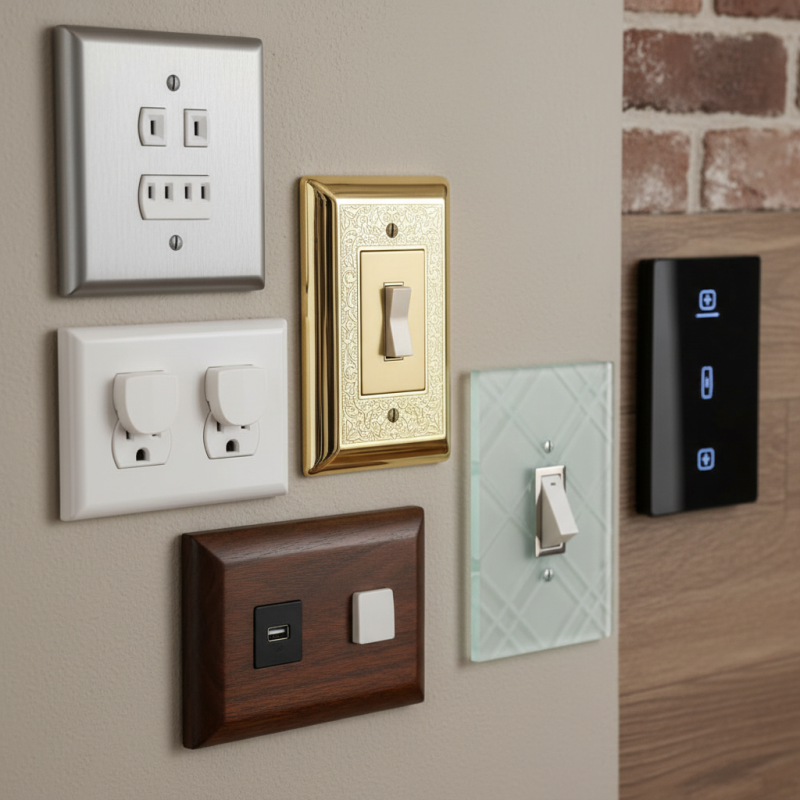
For homes with a touch of elegance, decorative wallplates can add an artistic flair. These come in various materials like metal or ceramic, featuring intricate designs. They can elevate the overall design of a room but require careful selection to match existing decor. Another option is the oversized wallplate, which is perfect for concealing wall imperfections or accommodating multiple outlets. This type often serves a practical purpose, especially in older homes where wiring systems may need updates.
It’s essential to evaluate the specific needs of your space when selecting wallplate covers. Consider the wear and tear expected, especially in high-traffic areas. Be mindful that while decorative options may enhance beauty, they might not always provide the durability needed. Striking the right balance between style and practicality is a challenge, but one worth taking on for a cohesive home look.
Materials Used in Wallplate Covers: Pros and Cons
When choosing wallplate covers, material selection is crucial. Common options include plastic, metal, and wood. Each material presents unique benefits and drawbacks. According to a report by the National Electrical Manufacturers Association (NEMA), plastic covers are the most popular choice, accounting for over 60% of the market. They are lightweight, easy to install, and come in various colors. However, they can be less durable, especially in high-traffic areas.
Metal covers, often made from steel or aluminum, offer increased durability. They resist wear and tear better than plastic options. A study indicated that metal wallplates last approximately 30% longer in high-use environments. However, they may require more effort to install. They can also become hot to the touch when exposed to direct sunlight. Wood covers provide an aesthetic appeal, blending seamlessly with traditional decor. Yet, they are prone to warping in humid conditions. Understanding these pros and cons is essential for making an informed decision. Many homeowners find themselves needing to replace covers earlier than expected, often due to poor material choices.
Best Wallplate Cover Options for Your Home Needs
Design Considerations for Choosing Wallplate Covers
Choosing the right wallplate cover for your home involves careful consideration of design elements. According to the National Electrical Manufacturers Association (NEMA), the right cover can enhance both safety and aesthetics. Material choice plays a critical role. Plastic, metal, and wood materials each have distinct visual and functional attributes. For instance, plastic covers are lightweight and versatile, while metallic options provide durability and a modern look.
Color and finish are equally important. A 2022 study from the Better Homes & Gardens magazine revealed that 75% of homeowners prefer wallplate covers that match their wall colors. This trend reflects a desire for seamless integration within interior design. Additionally, functionality must not be overlooked. Covers with built-in cable management features can keep wires organized, but they can also complicate installation. Many DIY enthusiasts find themselves needing help when faced with more complex designs.
Safety standards are another vital aspect to consider. The Underwriters Laboratories (UL) has reported that poorly designed covers can increase the risk of electrical hazards. Proper grounding and fit are essential. Most homeowners may not realize the importance of using wallplate covers that comply with safety standards. Exploring various options offers an opportunity to balance aesthetics, safety, and practicality. Designing a cohesive look can sometimes lead to oversights in functionality, highlighting the need for thoughtful consideration in design decisions.
Installation Tips for Wallplate Covers
Installing wallplate covers may seem simple, but attention to detail is crucial. Proper installation not only enhances the aesthetic of your home but also ensures safety. First, gather the right tools. You’ll need a screwdriver, level, and possibly a utility knife. Use a level to confirm that the cover sits straight. A crooked cover can be visually unappealing and may lead to personal frustration.
When working with outlets or switches, ensure the power is off. Check the wiring thoroughly to avoid hazards. An often overlooked step is cleaning the surface before installation. Dust or debris can hinder the cover's fit and finish. Make sure it’s free of grime for a seamless look. If you find that the wall is uneven, consider using shims to create a flush mount. This can make a world of difference in the final appearance.
Take care when securing screws; over-tightening can crack the plate. It's about finding the right tension. Additionally, evaluate if the cover is suitable for the specific outlet type. Not all covers are universal. Reflect on the overall style of your home too. A mismatch can detract from your decor. Don’t hesitate to revisit your choices if something feels off. Sometimes, minor adjustments can lead to a significant improvement.
Maintenance and Care for Wallplate Covers
Maintaining wallplate covers is often overlooked, yet it plays a crucial role in home aesthetics. Regular cleaning helps keep them looking new. Dust and grime can accumulate quickly, especially in high-traffic areas. Industry reports show that a clean environment can enhance overall wellbeing and promote a sense of order. A simple wipe with a microfiber cloth is usually enough to clear surface debris.
However, the choice of material can impact maintenance needs. For instance, plastic wallplates may require more frequent cleaning than metal ones. According to recent studies, homeowners prefer materials that offer durability and lower maintenance. Yet, many choose based on aesthetics, which is understandable but potentially misguided. It's essential to balance beauty with practical applications.
In addition to cleaning, inspection is vital. Check for cracks or discoloration regularly. Experts suggest replacing any damaged plates promptly. Neglected wallplates can lead to more significant issues, such as exposed wiring. Ensuring that these covers are in good condition maintains safety and functionality. Understanding these aspects can help create a safer, more appealing living space.
FAQS
: You will need a screwdriver, level, and possibly a utility knife.
Ensuring the power is off and checking wiring avoids potential hazards.
Clean the surface before installation to avoid dust or debris affecting fit.
Use shims to create a flush mount for a better final appearance.
Avoid over-tightening; the right tension prevents cracking the plate.
No, not all covers are universal. Ensure compatibility with your outlet.
Regular cleaning helps maintain appearance, especially in high-traffic areas.
Plastic may need more frequent cleaning than metal due to grime buildup.
Regular checks for cracks or discoloration are important for safety.
Neglected plates can expose wiring, leading to significant issues and hazards.
Conclusion
When selecting the best Wallplate Cover for your home, it's essential to understand the various types available for different applications, including those for outlets, switches, and more. Each type serves a specific purpose, ensuring both functionality and aesthetics in your living space. Materials used in Wallplate Covers vary significantly, with each offering its own set of advantages and disadvantages.
Design considerations are crucial when choosing a Wallplate Cover, as they can complement your interior decor while maintaining safety standards. Installation tips can help ensure a secure fit, while proper maintenance and care will extend the life of your Wallplate Covers, keeping your home looking neat and organized. By considering these factors, you can make an informed decision that meets your specific home needs.

 Huaya Electric