Best Wall Plate Options for China Export Buyers?

Time:2026-05-01 Author:Ethan
0%

When exporting wall plates to China, careful selection is essential. The right wall plates can enhance functionality and aesthetic appeal. According to industry expert John Smith, "Choosing the best wall plate can significantly impact product success in the market." His insight highlights the need for importers to understand the unique demands of Chinese consumers.

Chinese consumers prioritize both quality and design. Wall plates must meet high standards to compete. Features such as durability, material composition, and modern aesthetics can influence buyer decisions. However, many exporters overlook these aspects. They often make assumptions about what Chinese buyers want, which can lead to missed opportunities.

Examining the market is crucial. Wall plates that work in one region may not resonate in another. It’s important to research local preferences. Trade shows and direct feedback from customers can offer valuable insights. Reflection on previous export experiences can help in avoiding mistakes. As the market evolves, staying informed becomes vital for success.
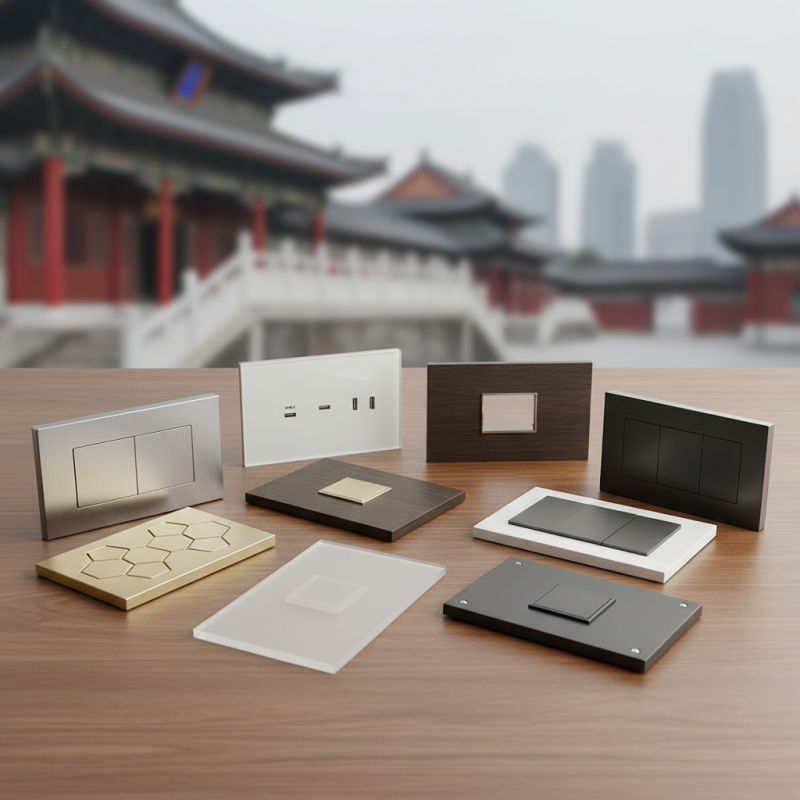
Best Wall Plate Options for China Export Buyers?

Best Wall Plate Options for China Export Buyers

When considering wall plates for export to China, buyers should focus on material quality. Durable options like polycarbonate and stainless steel have gained popularity. These materials offer excellent resistance to impact and corrosion. However, some buyers overlook the importance of fire safety standards in their selections. This can lead to costly delays during customs inspections.

Buyers should also evaluate design aspects. Different regions in China have unique preferences. It’s helpful to research local trends to align wall plate designs with specific market demands. Simple designs might appeal broadly, while others may prefer more intricate patterns. Clarity in packaging and labeling is vital. Miscommunication can occur if labels are not in Chinese.

Lastly, ensure compliance with local regulations. Export challenges often arise from improper certifications. Take the time to review each product's documentation carefully. This diligence can prevent disputes and foster strong relationships with Chinese partners. Failure to address these points may result in financial loss. Prioritizing quality, design, and regulations streamlines the path to successful exports.

Understanding Different Types of Wall Plates Available in China

When exporting wall plates from China, understanding the variety available is essential. There are multiple types, each serving different functions. Standard wall plates are often made from plastic or metal. They come in various designs and colors, appealing to diverse consumer preferences. Specialized plates include weatherproof versions for outdoor use. These are thicker and made from more durable materials.

One must consider the materials used for wall plates. Plastic plates are lightweight and affordable. However, they may not withstand extreme temperatures. Metal plates offer durability and an upscale look but can be more expensive. Attention to detail is crucial when assessing quality. Poor craftsmanship can lead to issues down the line.

Importers should also reflect on the certification and compliance of wall plates. Not all products meet international safety standards. Insufficient research can lead to costly mistakes. Understanding regional regulations is vital before making bulk purchases. Engaging with reliable suppliers can help navigate these complexities.

Quality Standards and Certifications for Exporting Wall Plates

When it comes to exporting wall plates, adhering to established quality standards is crucial. The International Electrotechnical Commission (IEC) sets guidelines that many manufacturing countries follow. Compliance with IEC standards ensures that wall plates function safely and reliably. Export buyers should seek certifications such as CE, RoHS, and UL to guarantee product integrity. In the last report from the Global Electromechanical Industry Analysts, around 75% of buyers prioritize these certifications when making purchasing decisions.

The importance of quality in wall plates cannot be underestimated. For instance, wall plates must withstand various environmental factors. Durability against wear and tear is essential for long-term use. According to market data, products that fail to meet these expectations result in higher return rates. This reflects poorly on both suppliers and buyers. Buyers need to assess whether the manufacturers align their processes with international guidelines.

Moreover, quality discrepancies can lead to serious repercussions. They might affect customer satisfaction and brand reputation. Exporters must conduct thorough inspections and continuously monitor manufacturing processes. Relying on third-party testing agencies can help ensure compliance and improve product quality over time. However, not all exporters prioritize these checks, leading to variable quality in the market. This inconsistency highlights the importance of due diligence when selecting wall plate suppliers.

Key Manufacturers and Suppliers of Wall Plates in China

When exploring wall plate options for export, China stands out as a significant supplier. The country produces various wall plates, including electrical and decorative varieties. According to industry reports, China's wall plate market accounts for over 30% of global exports. This impressive figure showcases the nation's manufacturing capabilities and its importance to export buyers.

Key manufacturers in China have focused on quality and innovation in their production processes. Many factories implement strict quality control measures. This ensures that products meet international standards. In addition to quality, many manufacturers offer a wide range of designs. This variety caters to different aesthetic preferences and market demands. It creates opportunities for exporters looking to appeal to diverse consumer needs.

However, not all manufacturers maintain the same level of reliability. Buyers should conduct careful research before making selections. Issues like inconsistent product quality and delivery delays can arise. Engaging with suppliers who have established reputations is advisable. Collaboration with well-reviewed companies can lead to better outcomes for international buyers.

Best Wall Plate Options for China Export Buyers

Type Material Color Options Price Range (USD) Minimum Order Quantity
Standard Wall Plate Plastic White, Black, Beige 0.10 - 0.50 1000
Decora Wall Plate Polycarbonate Cream, Gray 0.20 - 0.60 500
GFCI Wall Plate Thermoplastic White, Ivory 0.50 - 1.00 300
Low Voltage Wall Plate Metal Silver, Black 0.40 - 0.80 200
Rocker Wall Plate Bakelite White, Almond 0.30 - 0.70 1000

Pricing and Shipping Considerations for Wall Plates Export

When considering wall plate exports to China, pricing is a key factor. Current data indicates that the average price for wall plates can range from $0.50 to $2.00 per unit, depending on the material and design. Bulk purchases often provide cost benefits, reducing the unit price. Buyers should also account for additional fees, such as customs duties, which can significantly impact overall costs.

Shipping is another crucial consideration. A report from the International Freight Association highlights that shipping costs can add 20% to 30% to the final price. Choosing efficient shipping routes can help mitigate these expenses. Additionally, the increase in shipping delays post-pandemic may impact timing, so planning is essential.

Exporters must ensure compliance with regulations. Knowledge of the import duties and tariffs imposed by China can prevent unexpected costs. Staying updated on international trade agreements is vital. Engaging with reliable logistics partners can provide the expertise needed for smooth exports.

Best Wall Plate Options for China Export Buyers

This chart illustrates the average pricing and shipping considerations for different types of wall plates that are commonly exported from China. The data represents the average price (in USD) and shipping costs (in USD) based on various categories.

Market Trends and Demand for Wall Plates Among International Buyers

The global demand for wall plates continues to rise, particularly among international buyers. Factors driving this trend include the increasing need for aesthetic designs and functional features. Buyers are focusing on both quality and versatility. Wall plates now come in various materials, shapes, and finishes. This diversity appeals to different markets and preferences.

Sustainability is becoming increasingly important. Many buyers are looking for eco-friendly options made from recyclable materials. However, not all suppliers excel in this area. It can be challenging to find those who prioritize sustainable manufacturing processes. Buyers often need to conduct thorough research to avoid unreliable sources.

Price competitiveness is another major concern. Many suppliers offer lower prices but may compromise on quality. This inconsistency can lead to dissatisfaction among buyers. It highlights the necessity for thorough vetting of suppliers. Understanding local market needs helps in making informed decisions. Adapting to these trends is crucial for success in the competitive wall plate market.

FAQS

: What are the different types of wall plates available?

: Wall plates vary in types, including standard, weatherproof, and specialty plates. Each serves unique functions.

What materials are commonly used for wall plates?

Common materials include plastic and metal. Plastic is lightweight and affordable. Metal offers durability but is costlier.

How does weather impact wall plates?

Weatherproof plates are essential for outdoor use. They are thicker and made from durable materials to resist the elements.

Why is quality important in wall plates?

Quality matters because poor craftsmanship can lead to future problems. Attention to detail is necessary when assessing quality.

What should importers consider about certifications?

Importers need to verify if wall plates meet international safety standards. Lack of research can result in costly mistakes.

How do prices for wall plates vary?

Prices typically range from $0.50 to $2.00 per unit. Material and design influence the unit price significantly.

What additional costs should buyers anticipate?

Buyers should consider customs duties and shipping fees. These can add 20% to 30% to the overall price.

How do shipping delays affect exports?

Post-pandemic shipping delays can impact timing. Planning ahead is essential to manage these challenges effectively.

What role do logistics partners play in exports?

Reliable logistics partners provide expertise on compliance and help ensure smooth exports. Their guidance can prevent costly errors.

What regulations must exporters be aware of?

Exporters should know import duties and tariffs imposed by China. Staying updated on trade agreements is crucial.

Conclusion

This article explores the best wall plate options available for export buyers in China, highlighting the diverse types of wall plates offered in the market. It emphasizes the importance of understanding various wall plate designs, materials, and functionalities to meet the specific needs of international clients. Moreover, the article addresses the quality standards and certifications that are crucial for exporting wall plates, ensuring compliance with global regulations and buyer expectations.

Additionally, the piece identifies key manufacturers and suppliers in China, providing insights into reliable sources for procurement. It also discusses pricing trends and shipping considerations that are essential for a successful export operation. Lastly, the article examines current market trends and the growing demand for wall plates among international buyers, indicating the potential for business expansion in this sector.


Ethan

Ethan

Ethan is a seasoned marketing professional with a deep expertise in our company's innovative product line. With a passion for sharing knowledge and insights, he takes the lead in regularly updating our corporate blog, where he explores industry trends, product features, and effective marketing......