As the global market for Sockets Switches continues to evolve, it's essential for buyers to stay informed about the latest trends. According to a market analysis report from Technavio, the global Sockets Switches market is expected to grow by over 6% from 2023 to 2026. This significant growth highlights the increasing demand for innovative and efficient electrical solutions.
Industry expert, Dr. Emily Chen, stated, “Adapting to new technologies in Sockets Switches will shape the future of electrical installations.” Her insights emphasize the need for buyers to consider not just current products but also future developments. Emerging trends such as smart technology integration and energy efficiency are transforming the landscape. However, many companies still struggle to keep up with these advancements.
Moreover, sustainability is becoming a crucial factor in Sockets Switches production. A report from Allied Market Research indicates that eco-friendly materials are gaining traction. While this shift is positive, some manufacturers face challenges in sourcing these sustainable options. It’s a reminder that progress often comes with hurdles that require thoughtful navigation.
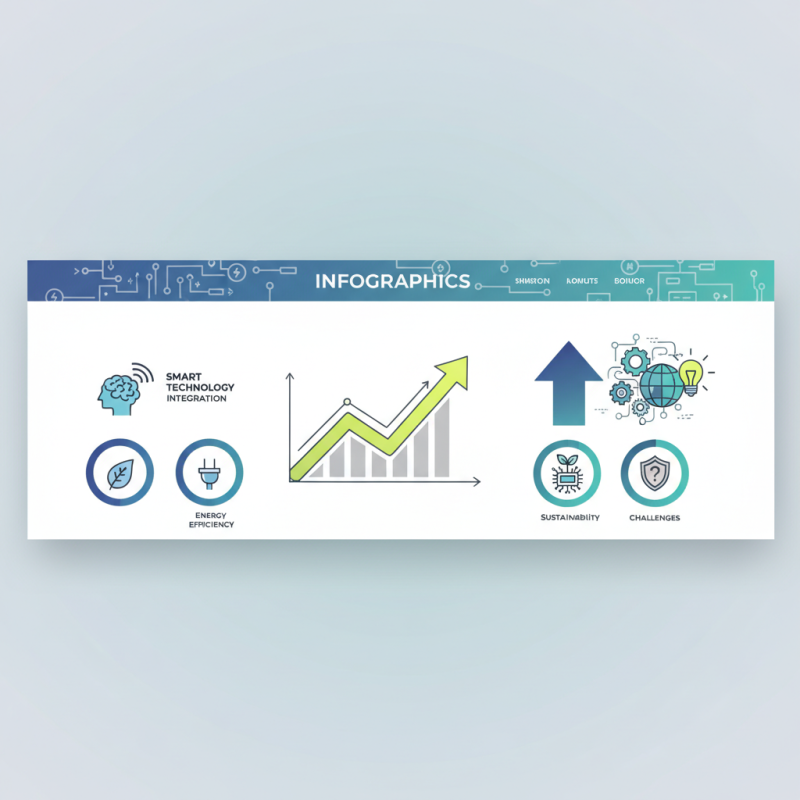
The world of switches and sockets is on the brink of transformation in 2026. Emerging technologies are reshaping our interaction with electrical systems. Smart home solutions are becoming a norm. These advancements provide better energy management and user convenience. Home automation will influence how switches operate, offering new ways to control lighting and appliances.
Wireless technologies are one key trend driving these changes. They allow for remote control and integration with smartphones. Imagine adjusting your home lights from a distance or programming your heating system for specific times without physical interaction. Yet, this technology brings mutual challenges, like cybersecurity risks. Users must consider how secure their networks are.
Furthermore, sustainability is a growing priority. Eco-friendly materials and energy-efficient designs in sockets and switches are trending. Consumers are more aware of their environmental footprint. However, the transition requires careful thought. Not every solution is perfect, and some may lack durability. It’s essential for buyers to explore these advancements critically, ensuring they meet both innovation and reliability standards.
The trend towards sustainability in socket design is gaining momentum. A recent report by the International Energy Agency indicates that electrical devices account for over 50% of global energy consumption. Thus, new designs must focus on energy efficiency.
Manufacturers are now exploring eco-friendly materials, such as recycled plastics and biodegradable composites. These materials reduce the carbon footprint and promote responsible consumption. However, there are challenges in durability and cost-effectiveness. Some products made from these materials may not last as long, raising questions about their long-term viability.
Consumer preferences are shifting significantly. According to a survey by Global Industry Analysts, 72% of consumers prefer products with eco-friendly certifications. Yet, there is confusion around what qualifies as “sustainable". This requires manufacturers to ensure transparency and educate buyers about genuine sustainability practices—something still lacking in the industry. As demand grows, balancing eco-friendly practices with functionality will remain a crucial challenge.
The landscape of home automation is evolving rapidly. By 2026, smart home integration will redefine how switches and sockets function. Imagine a home where your lights, heating, and even appliances are controlled via voice commands or smartphone apps. This level of convenience offers a glimpse into the future.
Homeowners will benefit from energy-efficient solutions. Smart switches can help reduce electricity bills by controlling usage remotely. They learn your routines and can adjust settings accordingly. However, adapting to such technology may require time. Some users might initially find the interface challenging. Embracing change is crucial for maximizing these innovations.
When choosing smart switches and sockets, consider compatibility. Ensure that devices integrate with your existing home systems. This can save you from frustration later. Also, think about security. Smart devices can be vulnerable to hacking. Regular software updates and strong passwords are essential for protection.
In the realm of interior design, sockets and switches are evolving beyond mere functionality. The aesthetic appeal is taking center stage in 2026. Reports indicate that nearly 70% of consumers prioritize design when choosing these components. This trend is fueled by the rise of smart homes, where integration of technology and elegance is essential. Sleeker designs with customizable finishes enhance the overall look of living spaces.
Minimalism continues to lead the charge. Clean lines, muted colors, and intuitive interfaces are preferred by today’s buyers. The global market for aesthetic switches is projected to grow by over 15% annually. These products now feature eco-friendly materials, catering to environmentally conscious consumers. Design flexibility caters to diverse tastes, from modern to vintage aesthetics.
Tips: When selecting sockets and switches, consider how they complement your overall decor. Look for options that offer both style and functionality. Remember, the right choice can elevate an entire room's ambiance. Invest in quality, as durability should not be overlooked in pursuit of design. A little research can go a long way in making the right choice.
As we look ahead to 2026, the trends in sockets and switches are significantly influenced by global demand. This demand is driven by advancements in smart home technology and energy efficiency. People want integrated systems that enhance daily living while being eco-friendly. The increasing adoption of renewable energy sources also shapes the market. Users desire solutions that can seamlessly connect to solar and wind energy systems.
Emerging markets are particularly pivotal. Rapid urbanization is leading to greater infrastructure development. In these regions, the standardization of electrical components is crucial for long-term sustainability. However, this push can reveal challenges. Variability in regulations and consumer preferences often complicates adoption.
Moreover, sustainability is no longer a trend; it’s a necessity. Buyers are becoming more conscious of the environmental impact of their choices. Lightweight materials and recyclable designs are gaining traction. Yet, while innovation drives the market, the gap in accessibility poses a concern. Not every consumer has the same access to advanced technology. Balancing innovation with broad reach will be vital in meeting the anticipated needs of 2026.
: The main trends include smart home integration, wireless technologies, and eco-friendly materials.
Wireless technologies enable remote control of lighting and appliances via smartphones. This change enhances convenience.
Eco-friendly materials, like recycled plastics, are becoming popular. They aim to reduce the carbon footprint of electrical devices.
Not necessarily. Some eco-friendly products may have durability issues, raising concerns about their long-term viability.
Energy efficiency is critical, as electrical devices account for over 50% of energy use globally.
Many consumers prefer eco-friendly certifications, but they often find it hard to understand what qualifies as sustainable.
Access varies greatly among consumers, particularly in emerging markets with differing regulations.
Urbanization drives infrastructure development, leading to increased demand for standardized electrical components.
Yes, consumers are demanding more eco-friendly options, pushing manufacturers to adapt their practices.
Manufacturers need to balance innovation with reliability and ensure accessibility for all consumers.
The upcoming trends in sockets switches for 2026 are set to be significantly influenced by emerging technologies, promoting enhanced functionalities and user experiences. The integration of smart home capabilities is transforming traditional sockets switches into more adaptive and efficient solutions, catering to the demands of modern living.
Sustainability is another key factor, with eco-friendly design practices gaining prominence among manufacturers. As consumers increasingly prioritize environmental responsibility, innovative designs that minimize environmental impact are expected to thrive. Additionally, aesthetic innovations will play a crucial role, as consumers seek visually appealing sockets switches that enhance their home decor while functional performance remains a priority. Understanding these global market demands will be essential for stakeholders in adapting to the evolving landscape of switches and sockets.

Huaya Electric