2026 Top Wall Outlet Types What Should Buyers Consider?

Time:2026-05-07 Author:Aria
0%

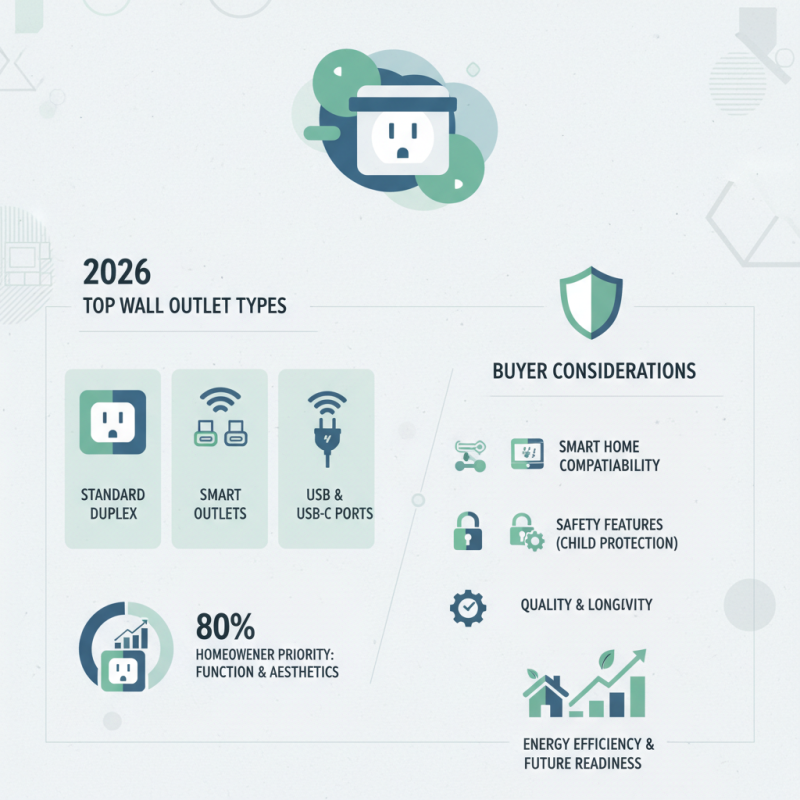
In the evolving landscape of home design, the choice of wall outlets becomes increasingly crucial. As of 2023, around 80% of homeowners prioritize functionality and aesthetic appeal when selecting electrical fixtures. Wall outlets are not just utility points; they influence the overall ambiance and efficiency of a space. Recent reports indicate a growing trend towards smart outlets, which can enhance energy management and convenience.

Buyers must consider various factors when choosing wall outlets. The compatibility with smart home systems is vital, as over 60% of new constructions now incorporate smart technology. Additionally, safety is paramount, especially with increased electrical loads in modern homes. Current standards dictate that outlets should have protective features, particularly in households with children.

It's important to acknowledge that preferences can vary greatly. Some may overlook the significance of quality, opting for lower-cost options that may not meet safety standards. Reflecting on these choices can prevent future issues. Investing in the right wall outlet can lead to long-term benefits, such as improved safety and energy efficiency in any living space.
2026 Top Wall Outlet Types What Should Buyers Consider?

2026 Wall Outlet Types: Overview of Availability and Trends

In 2026, the landscape of wall outlets is changing rapidly. A recent industry report indicates that smart outlets will see a significant increase in demand, projected to grow by 25% annually. Home automation systems are driving this growth, as consumers seek more connectivity and control. Features like Wi-Fi and Bluetooth support are becoming standard. Furthermore, outlets incorporating USB-C ports are gaining traction. This reflects a trend toward more versatile charging options, especially for modern devices.

However, not all trends indicate seamless progress. Issues such as compatibility and installation complexity remain concerns. Data from consumer feedback surveys show that 40% of users struggle with integrating new outlet types into their existing setups. Many consumers express frustration over inconsistent standards. This calls for more guidance from manufacturers and clear installation instructions. As technology evolves, consumer education will be crucial. Providing reliable information about installation and compatibility can improve user experience.

Trends suggest a growing preference for decorative plates and customizable options. 60% of homeowners are now considering aesthetics when choosing outlets. Color choices and finishes are more varied. However, the emphasis on form over function can lead to poor user experiences, particularly with safety and performance. Designers and manufacturers must balance aesthetics with practicality to meet diverse consumer needs.

Key Factors for Selecting the Right Wall Outlet Type for Your Home

When selecting the right wall outlet type for your home, several factors play a critical role. Understanding the differences between standard, GFCI, and AFCI outlets is essential. According to the National Electrical Manufacturers Association (NEMA), approximately 50% of homes still use outdated outlets. This can pose safety risks, especially in wet areas.

Safety is a top priority. GFCI (Ground Fault Circuit Interrupters) are vital in kitchens and bathrooms. They can reduce the risk of electrical shock by cutting off power in less than a second when they detect an imbalance. On the other hand, AFCI (Arc Fault Circuit Interrupters) help prevent fire hazards from arcing faults in electrical wiring. The Electrical Safety Foundation International (ESFI) highlights that homes without AFCI outlets are three times more likely to suffer electrical fires.

Consider your power needs. For modern homes, USB outlets are becoming increasingly popular. They simplify the charging of devices without extra adapters. Statista reports that the USB wall outlet market will grow by 15% annually through 2026. Reflecting on these factors can lead to better safety and efficiency in your home’s electrical setup. Investing in the right type of outlet is not just about convenience; it’s about enhancing the overall safety and functionality of your living space.

Safety Standards and Certifications for Wall Outlets in 2026

In 2026, safety standards for wall outlets are more crucial than ever. New reports estimate that almost 50% of electrical fires are caused by faulty wiring or outlets. Ensuring outlets meet current safety certifications can prevent these accidents. The National Electric Code (NEC) updates regulations regularly, ensuring outlets are safe for residential use. Buyers should look for outlets certified by recognized organizations, such as Underwriters Laboratories (UL) and the American National Standards Institute (ANSI).

Most wall outlets now feature advanced technologies, like tamper-resistant designs. This is especially important for households with young children. Additionally, new data indicates that smart outlets, equipped with surge protection, can reduce risks significantly. About 30% of new constructions now opt for these smart technologies. However, not all smart outlets undergo rigorous testing. Buyers must be vigilant about certifications and standards.

The latest regulations also emphasize the importance of energy efficiency. Non-compliant outlets can lead to wasted energy and higher utility bills. While some manufacturers claim superiority, buyers should question those claims. A thorough understanding of safety standards helps buyers make informed choices. Ultimately, safety and efficiency should guide buyers in selecting the right wall outlets in 2026.

Energy Efficiency Ratings: What Buyers Should Know About Outlets

When selecting wall outlets, energy efficiency ratings are vital. These ratings can impact long-term costs and environmental footprints. Outlets come with different levels of efficiency, affecting how much energy they consume. Understanding these ratings ensures informed choices that can save money and energy.

Many consumers overlook energy efficient features. Basic outlets might save money upfront, but they can lead to higher energy costs. Investing in ENERGY STAR-rated outlets can reduce waste and enhance home efficiency. Check product specifications to ensure compliance with energy standards. This vigilance pays off in the long run.

Tip: Consider smart outlets for improved energy management. They can track usage and help cut down unnecessary consumption. Look for signs of inefficiency, like warm outlets or flickering lights. Such issues need prompt attention to prevent mishaps. Evaluating and upgrading your outlets can significantly impact energy usage.

2026 Top Wall Outlet Types: What Should Buyers Consider?

Outlet Type Voltage Energy Efficiency Rating USB Ports Special Features
Standard Duplex 120V N/A No Basic functionality
GFCI Outlet 120V Rated for wet locations No Ground Fault Protection
AFCI Outlet 120V N/A No Arc Fault Protection
Smart Outlet 120V Varied Yes Wi-Fi enablement
USB Outlet 120V N/A Yes Direct charging for devices
Surge Protector Outlet 120V N/A No Protection against power surges

Comparative Analysis of Smart vs. Traditional Wall Outlets in 2026

As we glance towards 2026, the choice between smart and traditional wall outlets emerges as a significant consideration for buyers. A recent report indicates that over 70% of consumers are leaning towards smart technology. Smart outlets offer features like energy monitoring and remote access. These functionalities promote energy efficiency and can potentially lower utility bills. A study conducted by the International Energy Agency revealed that effective energy management can reduce household electricity use by 15%.

However, traditional outlets are still heavily used and provide simplicity and reliability. They don’t require updates or connectivity, often attracting those who prefer minimalism. There’s a cost factor as well. The average smart outlet is about 30% more expensive than traditional models. While smart outlets offer convenience, buyers should reflect on whether these benefits outweigh the costs. Not everyone requires smart features, and some may find they use their outlets for basic functionality.

Furthermore, installation can be a hassle for some. Many smart outlets may require additional tools or expertise. Uncertainties regarding security vulnerabilities also create a barrier. Trust in these new technologies is essential, revealing a gap in consumer understanding. Thoughtful consideration of both options will empower buyers to make informed decisions that fit their unique lifestyles.

2026 Top Wall Outlet Types - Comparative Analysis

FAQS

: What factors should I consider when selecting wall outlets for my home?

: Safety and functionality are key factors. Consider GFCI for wet areas and AFCI for fire prevention.

Why are GFCI outlets important?

GFCI outlets reduce electrical shock risks, especially in kitchens and bathrooms. They cut power quickly during imbalances.

What role do AFCI outlets play in home safety?

AFCI outlets help prevent electrical fires caused by arcing faults. Homes lacking them face higher fire risk.

Are USB wall outlets beneficial?

Yes, USB outlets are popular for simplifying device charging. They eliminate the need for extra adapters.

How are smart outlets different from traditional ones?

Smart outlets offer energy monitoring and remote access. Traditional outlets, however, provide simplicity and reliability.

What is a drawback of smart outlets?

Smart outlets can be 30% more expensive and may require installation tools or skills.

Do all homes need smart outlets?

Not necessarily. Some users might prefer traditional outlets for basic functionality without extra features.

How does smart technology affect electricity usage?

Smart outlets can promote energy efficiency and may reduce household electricity use by around 15%.

Is there any risk with smart outlets?

Yes, there are security concerns and vulnerabilities. Consumers need to trust and understand these technologies.

Should I reflect on my specific needs when selecting outlets?

Absolutely. Your power needs and preferences will determine the best outlet type for your lifestyle.

Conclusion

The article "2026 Top Wall Outlet Types What Should Buyers Consider?" provides an insightful overview of the various types of wall outlets available in 2026, highlighting current trends and innovations. It emphasizes key factors to consider when selecting the right wall outlet for a home, including compatibility with existing electrical systems, aesthetic preferences, and functional needs. Safety standards and certifications are crucial topics, ensuring that selected outlets meet the required regulations for household safety.

Additionally, the article delves into energy efficiency ratings, which are increasingly important for environmentally conscious consumers. It also presents a comparative analysis of smart versus traditional wall outlets, outlining the benefits and potential drawbacks of each type. This comprehensive guide aims to equip buyers with the necessary knowledge to make informed decisions about wall outlets, ensuring they meet both their practical and safety requirements.


Aria

Aria

Aria is a dedicated marketing professional with a deep passion for innovative strategies and a keen understanding of our company's product offerings. With a wealth of experience in the industry, Aria excels at crafting engaging content that highlights the unique features and benefits of our......